Delphi & Cybersecurity Projects | Case Studies

Delphi Software & Medical Device Cybersecurity

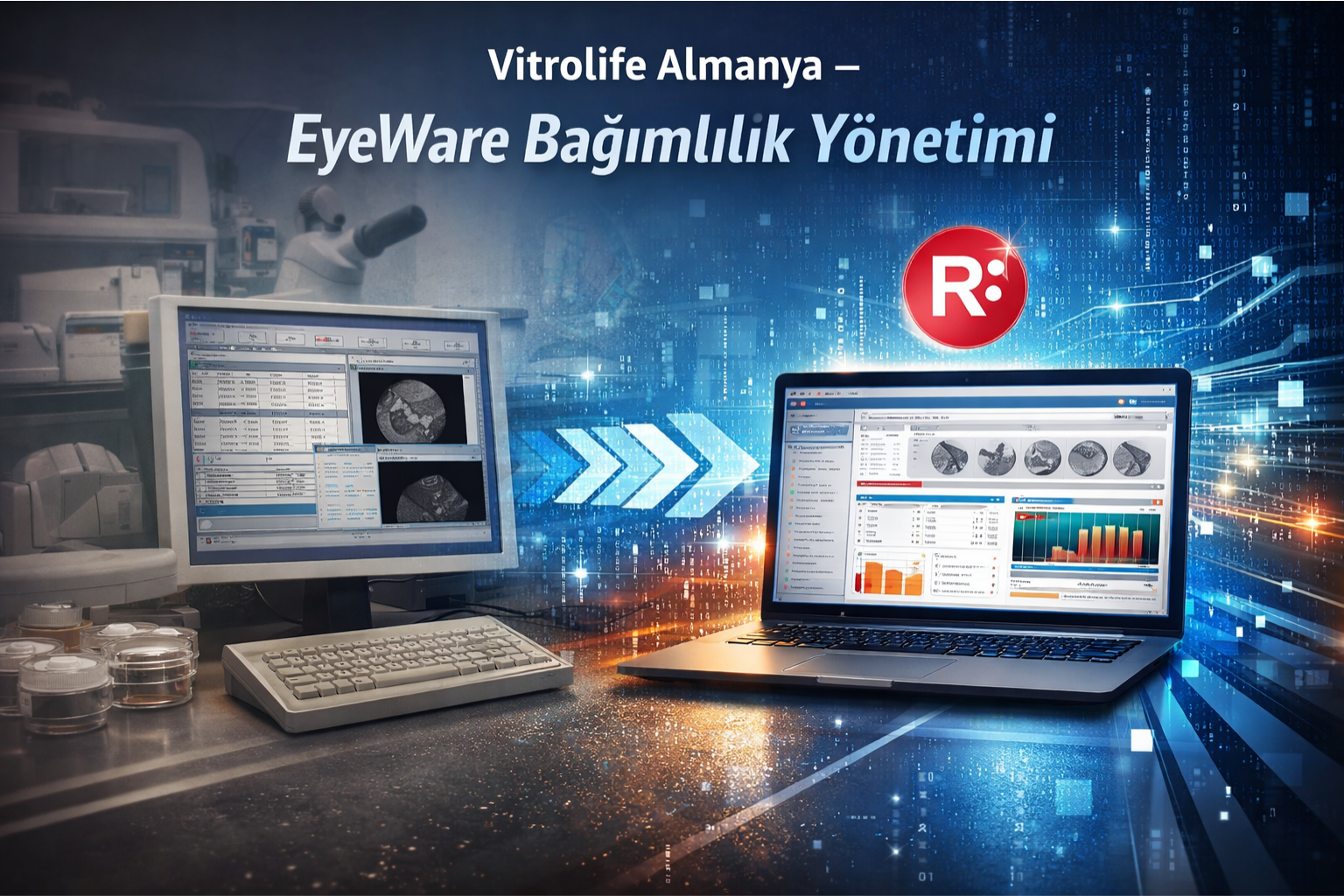
  • Vitrolife Germany – EyeWare Delphi Modernization
    Vitrolife Germany – EyeWare
    For Vitrolife GmbH (Germany), we migrated the decade-old legacy Delphi codebase of EyeWare — a critical medical desktop application used in IVF clinics worldwide — to the modern RAD Studio 12 Athens platform. The scope covered comprehensive component compatibility analysis, DFM file migration, third-party library modernization, and full regression testing.

    Delivered with complete technical handover documentation, enabling seamless continuity for the client’s internal team. This engagement demonstrates Mamtaş’s proven competence in enterprise-scale Delphi modernization for regulated industries.
  • Vitrolife Denmark – IVF Incubator FDA Cybersecurity
    Vitrolife Denmark – Incubator Cybersecurity
    For Vitrolife Denmark, we designed and implemented C++ based security hardening to bring IVF incubator devices into full compliance with FDA premarket cybersecurity requirements and IEC 62443 standards. The work addressed device-level resilience, secure boot, encrypted communication, SBOM generation, and vulnerability remediation.

    Compliance with the FDA cybersecurity framework requires high engineering maturity in both technical implementation and regulatory documentation. This project is a strong reference for Mamtaş’s international capability in embedded C++ security and medical device compliance.

Embedded Systems & Robotics

  • Embedded Secure HTTPS Server Development
    Embedded Secure HTTPS Server
    Designing and optimizing a secure HTTPS server infrastructure running on embedded systems. The project aimed to provide secure data communication on devices with limited hardware resources, protect system performance, and make the communication layer more resilient.

    Security, communication stability, and resource management were prioritized. The server structure handles authentication, data integrity, connection security, and system continuity, making the architecture more reliable and sustainable at the product level.
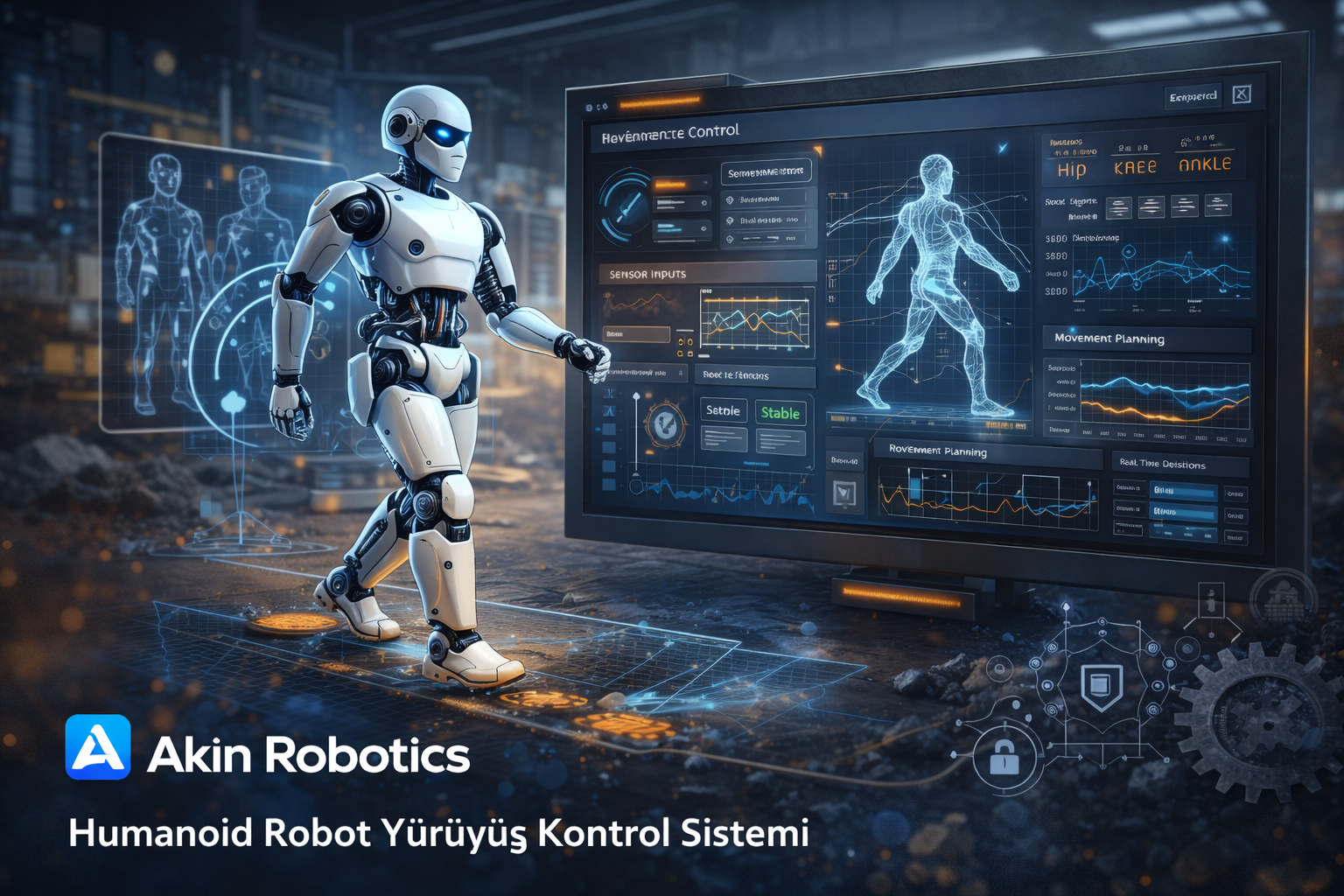
  • Humanoid Robot Gait Control System
    Humanoid Robot Gait Control
    Gait control software and embedded system infrastructure designed to increase the mobility of humanoid robots. Control algorithms ensure the robot moves balanced, adapts to environmental variables, and manages walking scenarios more precisely.

    The project focused on robotic motion management, motor drive scenarios, balance control, and real-time decision mechanisms. The developed structure contributes to more fluid, balanced, and stable movement of humanoid robots while offering a more flexible and developable architecture on the embedded software side.

Industrial IoT Systems

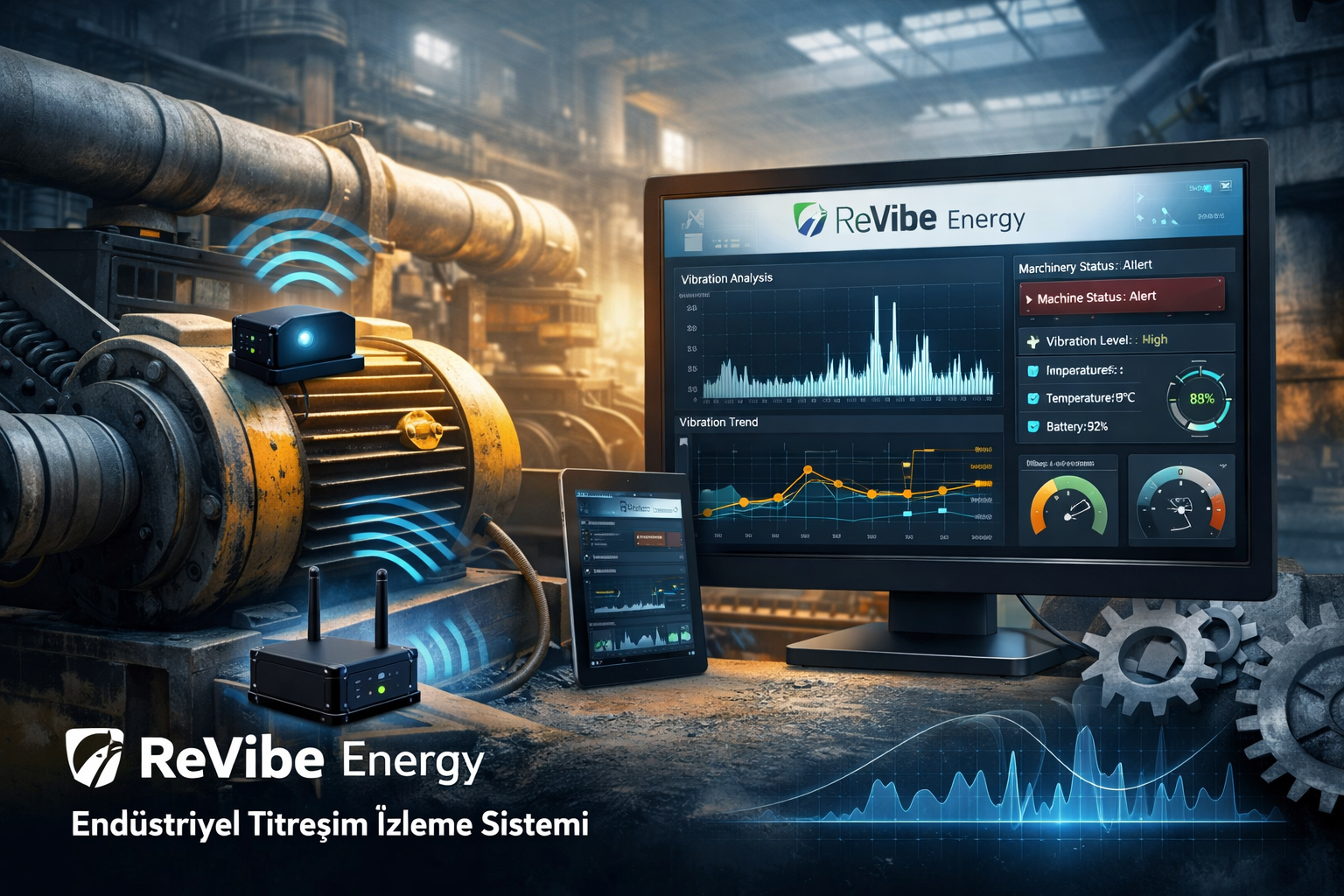
  • Industrial Vibration Monitoring System
    ReVibe Energy
    The system developed for ReVibe Energy is a wireless IoT infrastructure capable of monitoring the status of industrial vibration equipment in real-time. It is designed to analyze the performance of vibrating machinery used in mining, cement, and heavy industry plants and to pre-detect failure risks.

    The developed firmware includes real-time signal processing, FFT analysis, and event detection algorithms to reduce unexpected machinery downtime by optimizing maintenance processes.
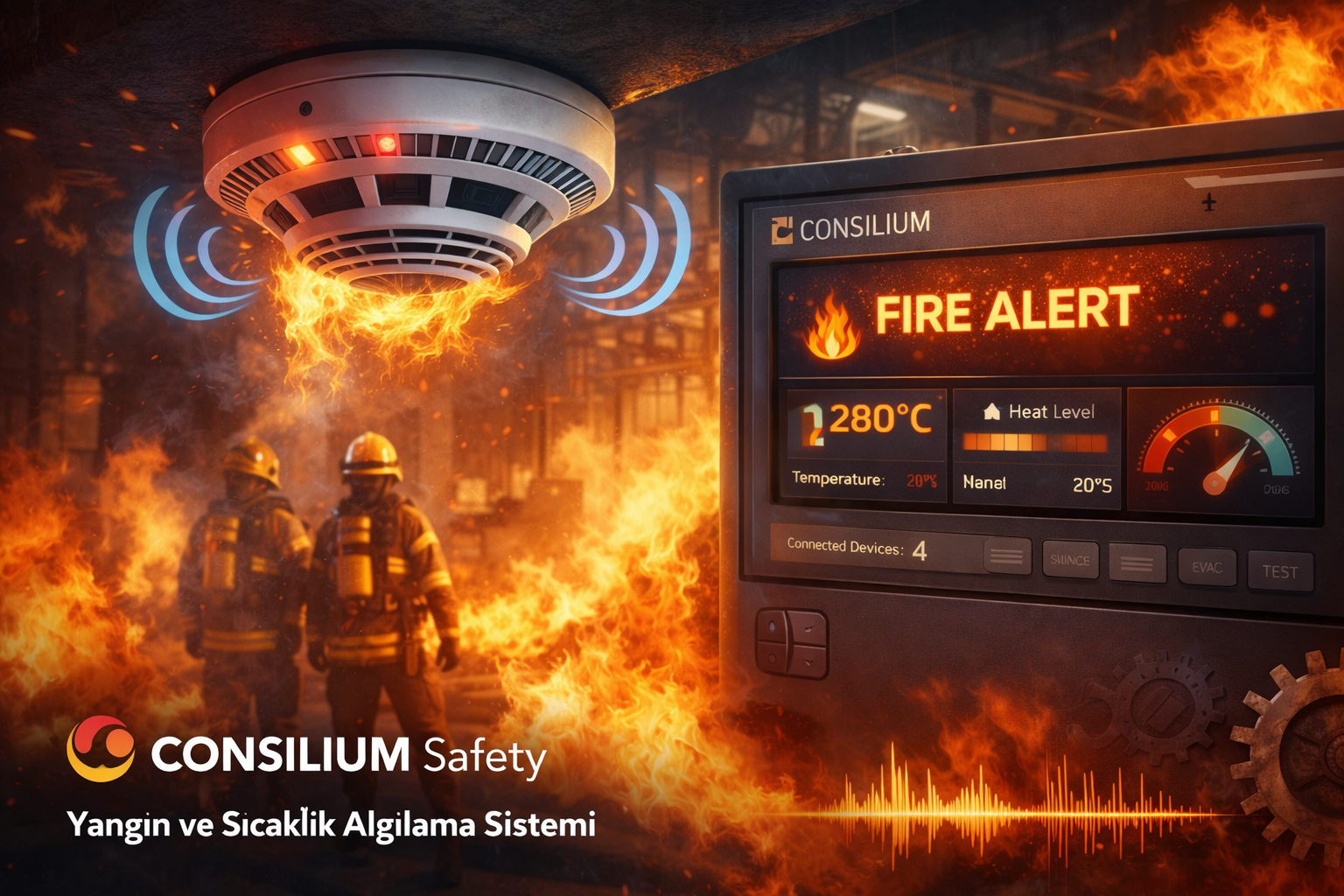
  • Fire and Temperature Detection System
    CONSILIUM Safety
    The system developed for CONSILIUM Safety covers a modular fire and temperature detection firmware infrastructure used in safety-critical environments. Used in industrial plants, ships, and high-security areas.

    The software architecture was restructured with CI/CD processes, automatic test mechanisms, and hardware-in-the-loop test systems, significantly increasing reliability and software quality.
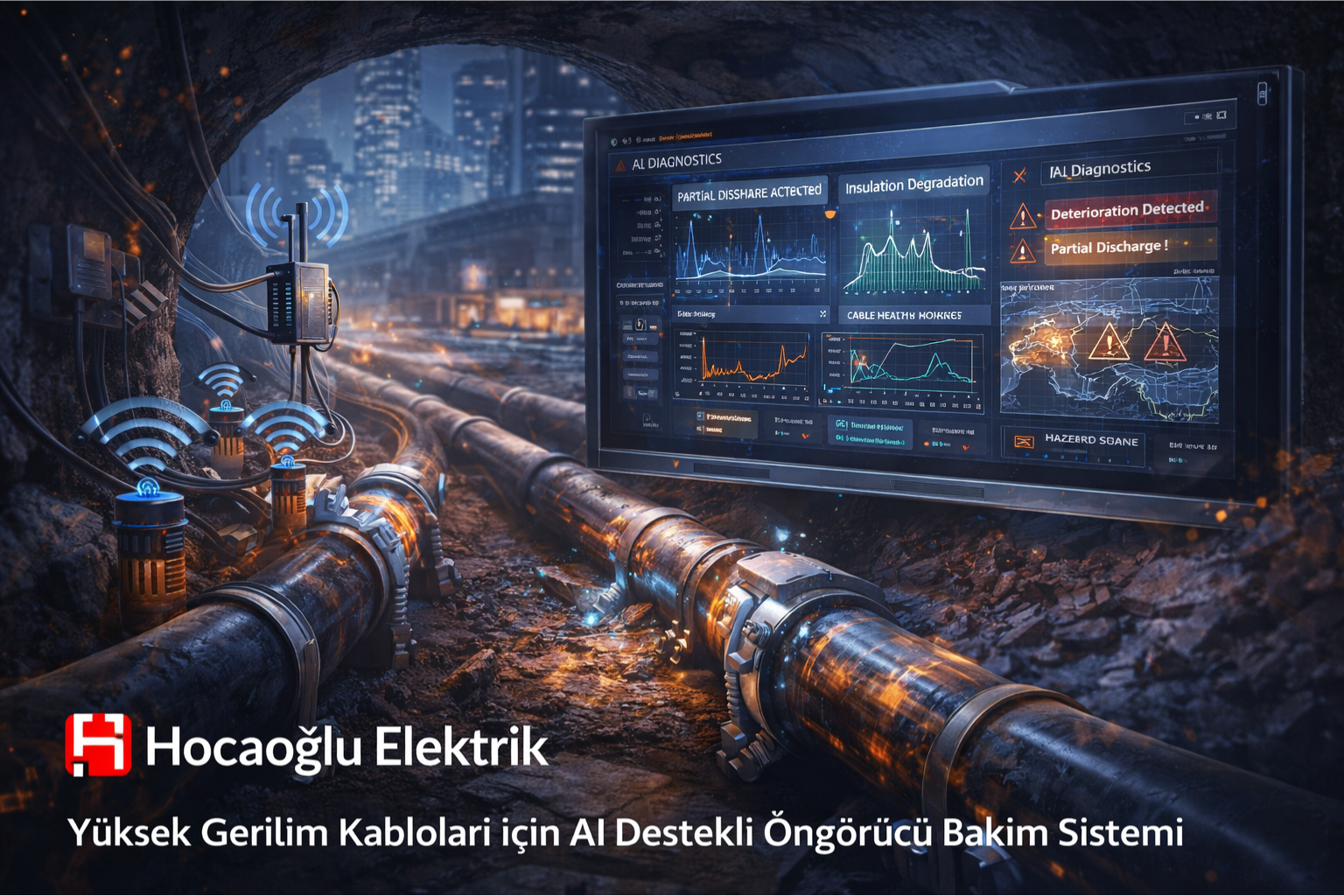
  • AI-Powered Predictive Maintenance for HV Cables
    Hocaoğlu Electric Project
    An AI-supported IoT infrastructure that monitors insulation deterioration and partial discharge events in underground high-voltage cables in real-time, preventing unplanned outages and high maintenance costs.

    The architecture consists of HFCT sensors, IoT gateways, and a central analysis platform with AI algorithms to predict potential failure points, optimizing maintenance and ensuring high reliability in energy infrastructure.
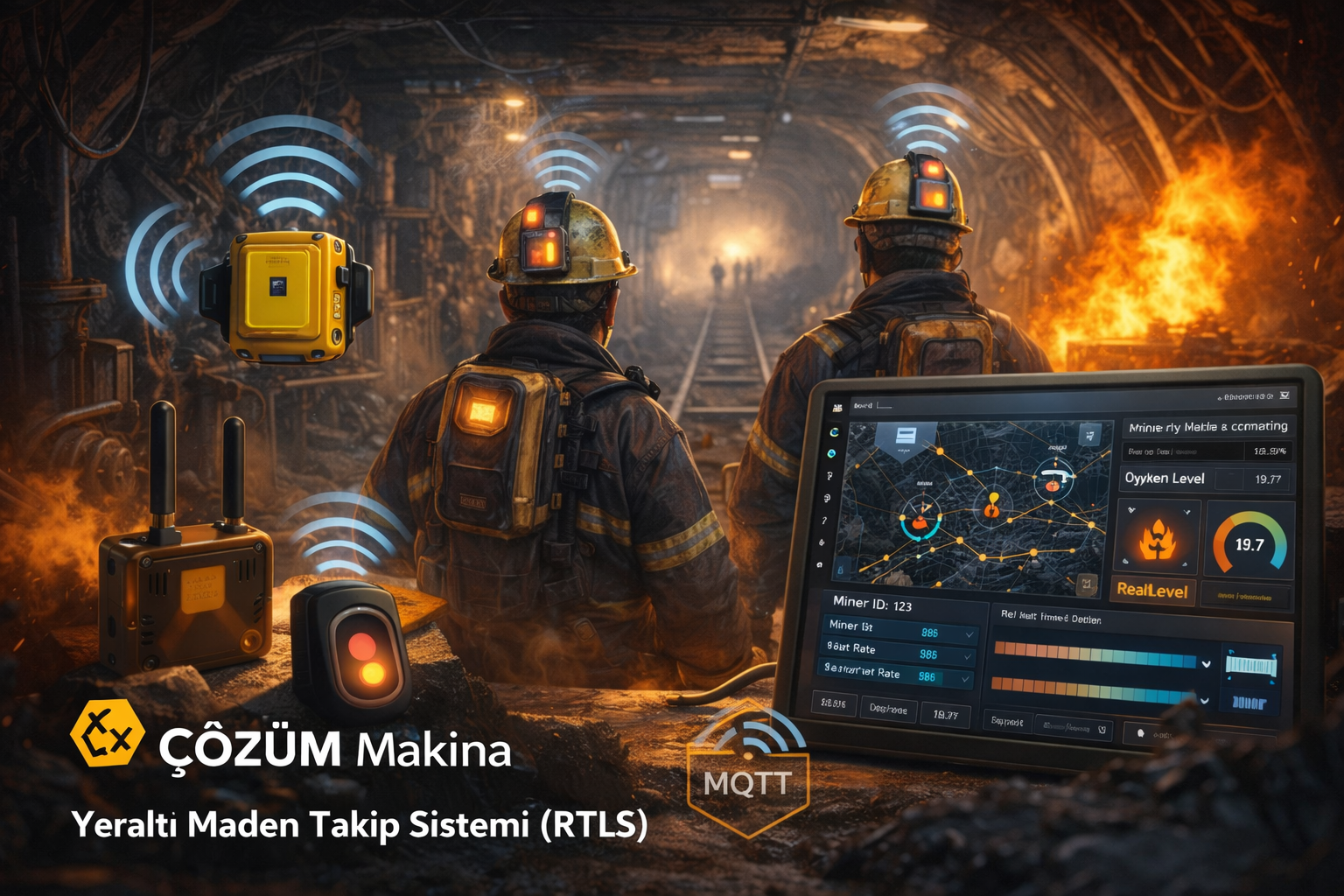
  • Underground Mine Tracking System (RTLS)
    Çözüm Makina RTLS
    The Real-Time Location System (RTLS) developed for Çözüm Makina is designed for the secure monitoring of personnel and equipment in underground coal mines with tracking tags, fixed reference anchors, and central data collection devices.

    Hardware and firmware were developed for seven different device types. Using RF-based positioning technology, designed to operate in ATEX-certified environments, providing safety and operational efficiency in the mining sector.